



2024 Mazda CX-30 and Mazda3 Receive Top Safety Pick+ Awards
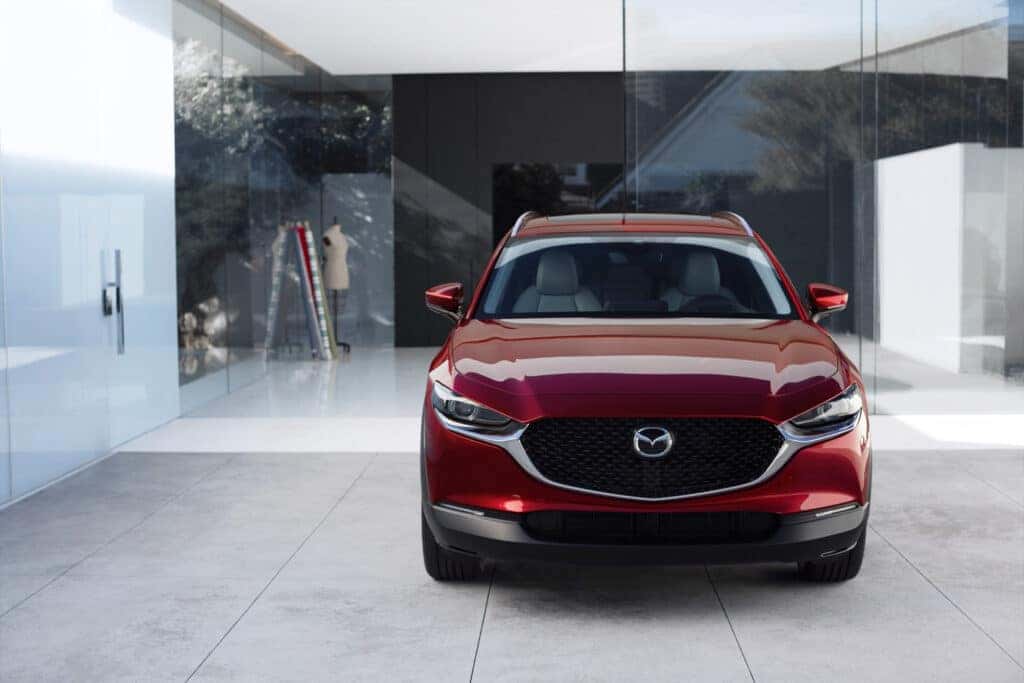
- The 2024 Mazda CX-30 and Mazda3 Sedan and Hatchback just received IIHS Top Safety Pick + awards.
- Equipped with i-ActiveSense technology, Mazda’s vehicles are one of the safest in the market today.
- Affordable and luxurious, the CX-30 and Mazda3 are in stock here at Safford Mazda Chantilly, VA.
i-ActiveSense: Mazda’s Extensive Safety and Driver Assist Features
Both the 2024 CX-30 and 2024 Mazda3 (sedan & hatchback) have received the highest possible score for safety, the IIHS Top Safety Pick + Award. But why are Mazda’s small cars rated so highly? Today, we’ll go over the safety features of these vehicles, so that you can be better prepared for your potential Mazda purchase here at Safford Mazda Chantilly, VA!
Active Safety Technology
Nighttime Visibility
- Adaptive Front Lighting System
The Adaptive Front Lighting System (AFS) automatically aligns the headlight beams to the left or right, coordinating with the steering wheel’s movement once the headlights are activated. - High Beam Control System
The High Beam Control (HBC) assesses the conditions ahead of the vehicle during nighttime driving, enabling automatic adjustment between high and low beams for the headlights.
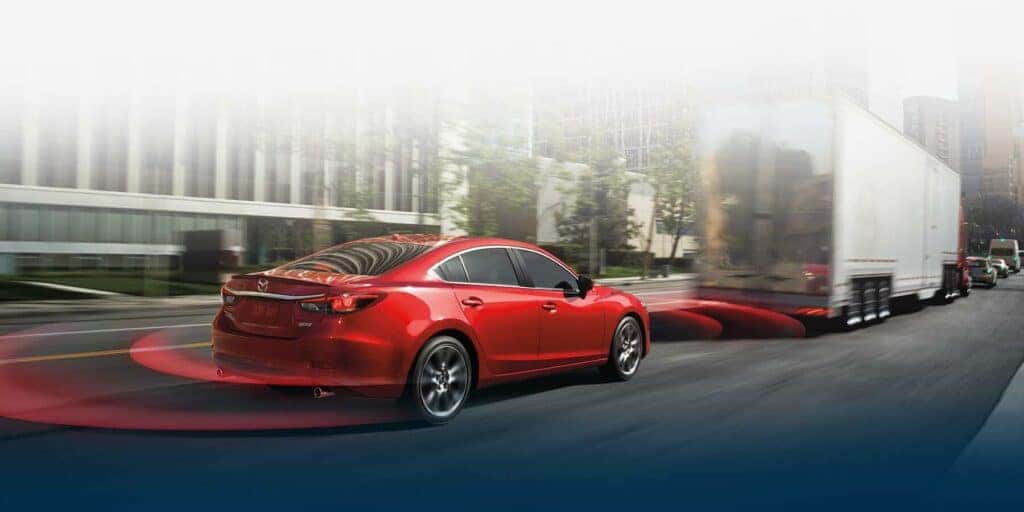
Left/Right Side and Rear Detection
- Lane Departure Warning System
The Lane Departure Warning System (LDWS) alerts the driver to potential lane deviation. In the event of possible departure from the lane, both a screen display and a warning sound notify the driver about the imminent risk. - Blind Spot Monitoring System
The Blind Spot Monitoring (BSM) system aids the driver in checking for vehicles behind when initiating a lane change. Upon detecting a rear-approaching vehicle, the driver receives notifications through screen displays and warning sounds to alert them to the potential hazard.
Road Sign Recognition
- Traffic Sign Recognition System
The Traffic Sign Recognition (TSR) system informs the driver about traffic signs by displaying the recognized signs on the screen as the vehicle is in motion.
Inter-Vehicle Distance Recognition
- Distance & Speed Alert
The Distance Sensing Alert (DSA) system utilizes a screen display to notify the driver when the proximity between their vehicle and the one ahead is minimal.
Forward Obstruction Detection
- Front Cross Traffic Alert
The FCTA aids the driver in inspecting the vehicle’s surroundings as it begins to move through an intersection. If a vehicle is detected approaching from the blind spots on the front left or right side, the driver is alerted through a screen display and a warning sound to indicate the potential danger.
Rear Obstruction Detection
- Rear Cross Traffic Alert
The RCTA assists the driver in checking the area to the rear of the vehicle, such as while reversing out of a parking space. When a vehicle approaching from the rear on the left or right is detected, various screen displays and warning sounds notify the driver of the danger.
Full-Surround Recognition
- 360° view monitor
The 360° view monitor is a system designed to help the driver ensure safety by presenting the surroundings of the vehicle on the center display. This occurs when the vehicle is operating at low speeds, parked, or brought to a stop.
Driver Fatigue Detection
- Driver Attention Alert
The DAA is a system that identifies driver fatigue and reduced attentiveness by analyzing diverse vehicle information. It prompts the driver to take a break through a combination of screen display and warning sounds. - Driver Monitoring
The DM is a system designed to identify hazardous conditions and driver behaviors, alerting the driver to potential dangers.
Driver Support Systems
- Mazda Radar Cruise Control
MRCC is a system aimed at easing the burden on the driver by employing continuous speed and headway control. This function maintains a consistent preset speed and distance from the vehicle in front, eliminating the need for the driver to manually engage the accelerator or brake pedal. - Cruising and Traffic Support
The CTS is a system designed to alleviate the driver’s workload during expressway or highway travel. - Lane-Keep Assist
The LAS is a system that aids the driver in maintaining the vehicle within its lane if there is a potential deviation. When the vehicle is at risk of departing from its lane, the LAS offers steering assistance to prevent lane departure.
Pre-Crash Safety Technology
Collision Avoidance Support and Damage Reduction
- Smart Brake Support
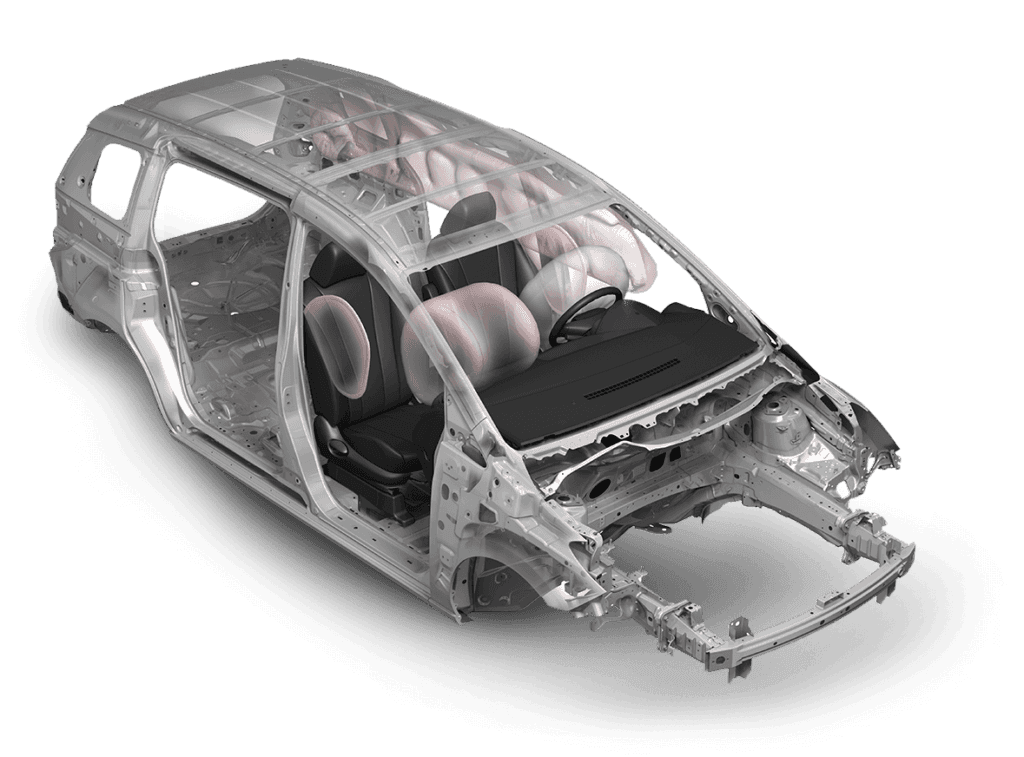
SBS is a system crafted to prevent collisions and minimize damage in the event of an impact by managing the brakes. The vehicle is equipped with sensors and cameras that detect objects, activating brake control when there’s a potential collision risk with the detected object. - Secondary Collision Reduction
The Secondary Collision Reduction minimizes additional damage by slowing down the vehicle when it experiences collision damage to the point where airbags are deployed, especially when the vehicle is stationary.
0 comment(s) so far on 2024 Mazda CX-30 and Mazda3 Receive Top Safety Pick+ Awards